
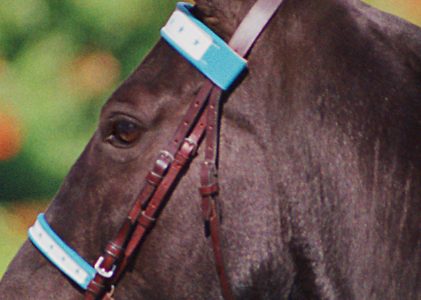
It used to be that you could count on reference photos from sources like Pixabay to be accurate. These days, you have to use online reference photos with a bit more caution. Why? Artificial intelligence.
I’m not against artificial intelligence. It has it’s place. For me, photography and art are not the place. But you’re welcome to use AI-generated images as reference photos, if you know what you’re looking at.
You also need to be aware of the risks of relying on AI-generated images. Risks, you say. What risks?
Let’s talk about that.
Reasons to Use Online Reference Photos with Caution
AI Images Aren’t Real
The word “artificial” is in the name artificial intelligence for a reason. The subjects in AI-generated images aren’t real. They’re a conglomeration of dozens, perhaps hundreds or thousands of images of that subject. Here’s how it works (in real basic terms)
You decide you want an image of a brown horse galloping across a meadow on a sunny day. So you type those search terms into the AI software.
The software reviews all the images of horses, horses that are brown, horses that are galloping (or running), meadows, and sunny days. Then it generates images from that vast collection. You choose the one you like best and you’re done.
But none of those horses are real horses, and none of the scenes are real.
Can you still do artwork from them? Yes, if you want to. But you won’t be drawing a specific horse; you’ll be drawing an artificial horse in an artificial setting.
But You Change Your Own Photos, Don’t You?
Yes I do. Unless I’m doing a portrait for a client, I often change things. Sometimes I add or remove markings, and sometimes I change the color altogether. Here’s an example.
This is the reference photo for a piece I drew in 2005. It’s a good photo of a shiny, bay mare grazing in a field.

This is the resulting artwork. The horse is a different color. She has different markings, and I changed the size and shape of her tail.
The background is also much different, lush and green and simpler than what’s in the reference photo.

After seeing this, you might wonder why the fuss. What’s the difference between the changes I made, and using AI to generate images? It’s quite simple, really.
If I’m making changes, I still know what the original looked like, and I can accept or reject any or all changes.
If artificial intelligence is making the changes, I have no idea what the original horses looked like. I never see the original photographs. So I don’t know if the changes accurately reflect the reality. Without that knowledge, I can’t pick and choose the changes I want to accept.
AI Images May Not Be Accurate
Because so many images are used to create the image you want, the resulting image may not be accurate. I’ve seen AI-generated images of subjects with too many fingers, too many legs, legs in incorrect positions, and even missing legs, feet, or hands.
That’s because AI doesn’t have the common, human sense to know how things work together on people, horses, or other things unless you’re very specific in your request.
Even then, you may end up with subjects that just don’t look right.
But, you say, you only use the “authentic only” search parameter on Pixabay and other places.
Yes, that option is available on some photo sites. But I have used that option on Pixabay, and still seen images that have been AI-enhanced.

AI-Generated Images Aren’t Always Indicated
A photo site that gives you the option of choosing authentic images or AI images relies on the artists and photographers who upload images to indicate nature of their images. Even if the images are AI-generated or AI-enhanced, if the uploader doesn’t say so, the photo site cannot categorize it properly.
So there’s no way to know for sure if an image has been enhanced by or generated by AI without asking the uploader. Even then, you have to rely on how that person understands the enhancement and filtering process.
Pixabay and similar sites may mean well when they give users the option to search only for authentic, real photographs of authentic, real subjects. But they must rely on the people who upload images to be truthful in identifying images.
Why It’s Important to Use Online Reference Photos with Caution
The short answer is that it may not be important to you. If so, then feel free to use any online reference photos that catch your eye to create your artwork.
But for those artists who strive for accuracy and authenticity in their artwork, starting with accurate reference photos is essential.
Is it worth the risk? It may be worth the risk for you. It isn’t for me.
I am not telling you not to use online photos as reference photos. That’s not the purpose of this post.
Nor is the purpose of this post to be a downer on artificial intelligence generated or enhanced images.
The purpose is to caution you that what you see in such images may not be what is true and accurate.
I have fulfilled that purpose. You are welcome to do with the information whatever best suits your purposes in creating artwork.
So take caution in selecting your images. It will reflect on your artwork.
Sign up for Carrie’s free weekly newsletter and be among the first to know when she publishes new articles.


